
Performance Rating
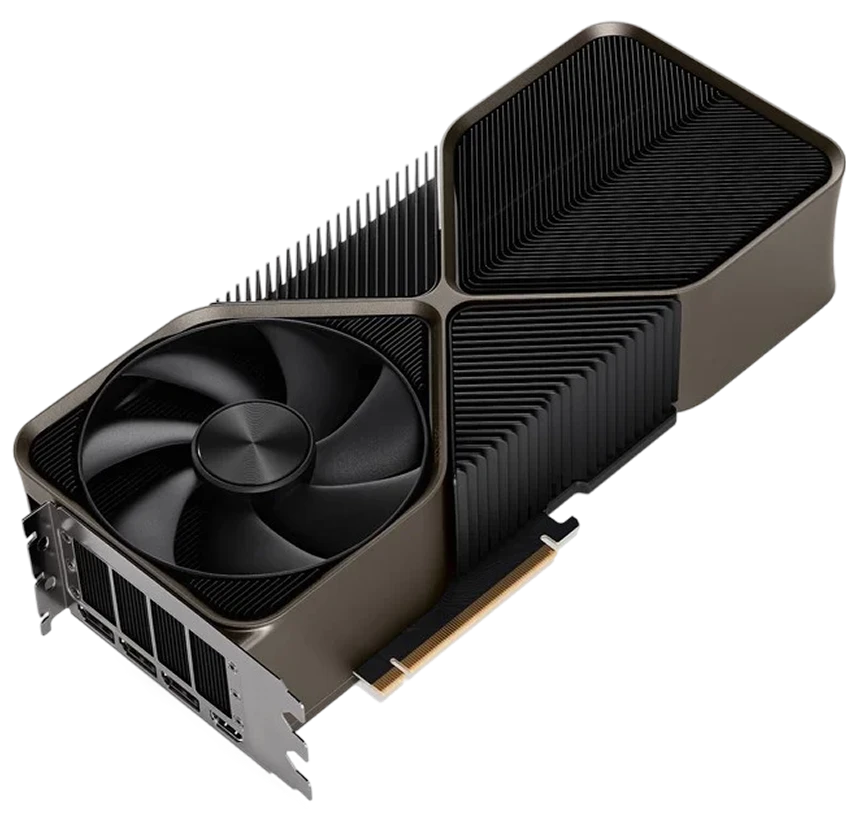
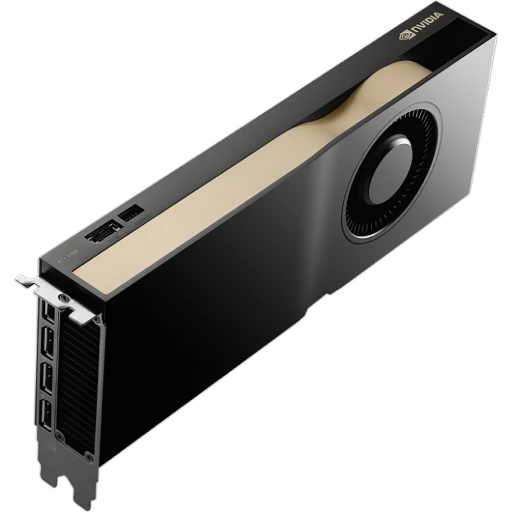
The RTX 5000 Ada Generation is a professional graphics card by NVIDIA, launched on August 9th, 2023. Built on the 5 nm process, and based on the AD102 graphics processor, in its AD102 variant, the card supports DirectX 12 Ultimate. The AD102 graphics processor is a large chip with a die area of 609 mm² and 76,300 million transistors. Unlike the fully unlocked TITAN Ada, which uses the same GPU but has all 18432 shaders enabled, NVIDIA has disabled some shading units on the RTX 5000 Ada Generation to reach the product's target shader count. It features 12800 shading units, 400 texture mapping units, and 176 ROPs. Also included are 400 tensor cores which help improve the speed of machine learning applications. The card also has 100 raytracing acceleration cores. NVIDIA has paired 32 GB GDDR6 memory with the RTX 5000 Ada Generation, which are connected using a 256-bit memory interface. The GPU is operating at a frequency of 1155 MHz, which can be boosted up to 2550 MHz, memory is running at 2250 MHz (18 Gbps effective).
Contents:
Memory ML Performance Compute Power Architecture & Compatibility ML Software Support Clocks & Performance Power Consumption Rendering NVENC / NVDEC AdditionalMemory
Memory Size
Memory Type
Memory Bandwidth
Memory Bus Width
ML Performance
FP16 (Half Precision)
BF16 (Brain Float)
TF32 (TensorFloat)
Compute Power
FP32 (Single Precision)
FP64 (Double Precision)
CUDA Cores
RT Cores
Architecture & Compatibility
GPU Architecture
SM (Streaming Multiprocessor)
PCIe Version
ML Software Support
CUDA Version
Clocks & Performance
Base Clock
Boost Clock
Memory Clock
Power Consumption
TDP/TGP
Recommended PSU
Power Connector
NVENC / NVDEC
NVENC Generation
NVENC Chips
Max Encoding Sessions
Encoding (NVENC)
NVDEC Generation
NVDEC Chips
Decoding (NVDEC)
Additional
Slots
Release Date
Display Outputs
Renting is cheaper than buying
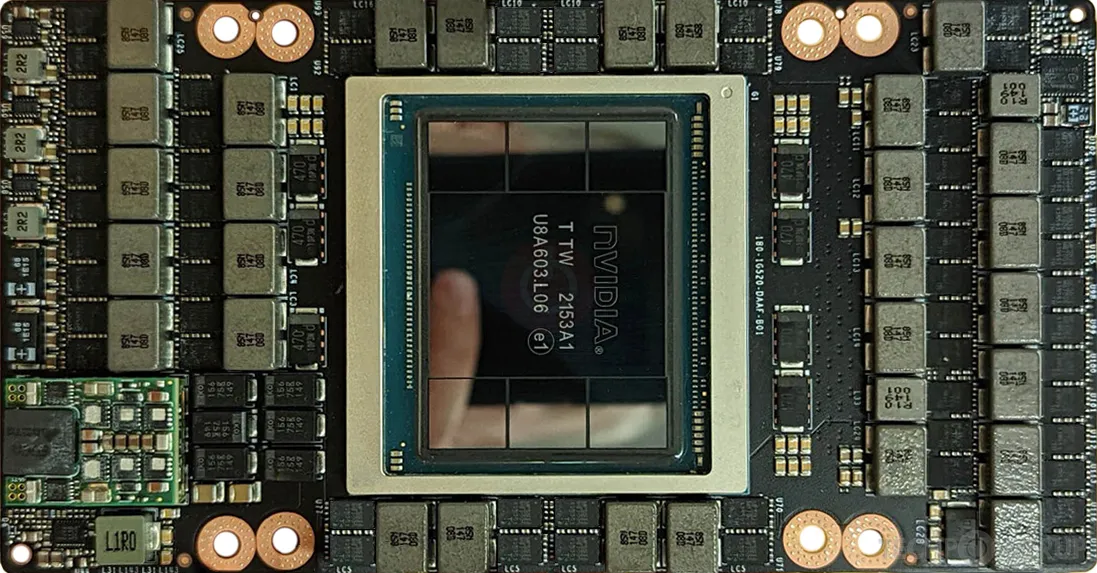
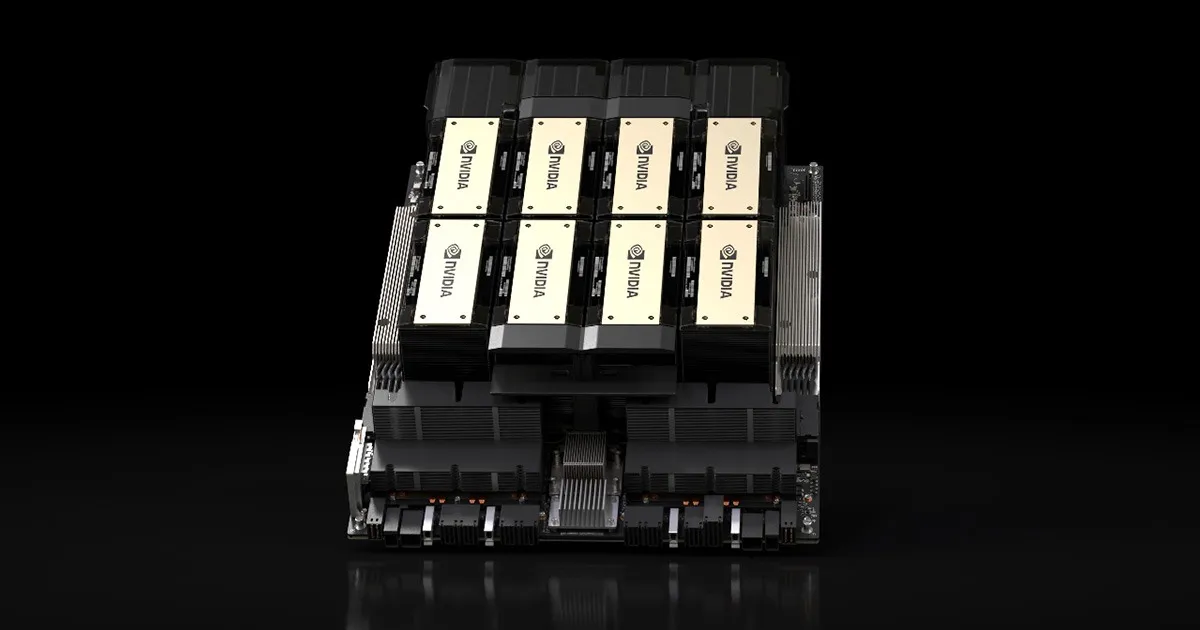
H100 80Gb SXM (80GB)
NVIDIA
Флагманская GPU на архитектуре Hopper с 80 ГБ памяти HBM3 в форм-факторе SXM. Создана для обучения и инференса больших языковых моделей, HPC задач. Поддерживает FP64, FP32, TF32, FP16, BF16, FP8 и INT8 вычисления с Tensor Cores 4-го поколения.
from 299.11 RUB/hour